
Síntese do artigo.
ResumoIA
Pontos a Reter
British Ultimatum and Loss of Prestige
King Carlos I's early reign was undermined by conceding to British demands, damaging the monarchy's reputation.Political Repression and Rising Republicanism
João Franco's government intensified censorship and repression, escalating tensions that fueled republican ideals.The 1908 Regicide Event
The assassination of King Carlos and his heir in central Lisbon abruptly ended the monarchy's last peaceful days.Public Indifference to the King’s Death
The nation’s muted reaction to the regicide highlighted a lost connection with the monarchy, signaling its imminent collapse.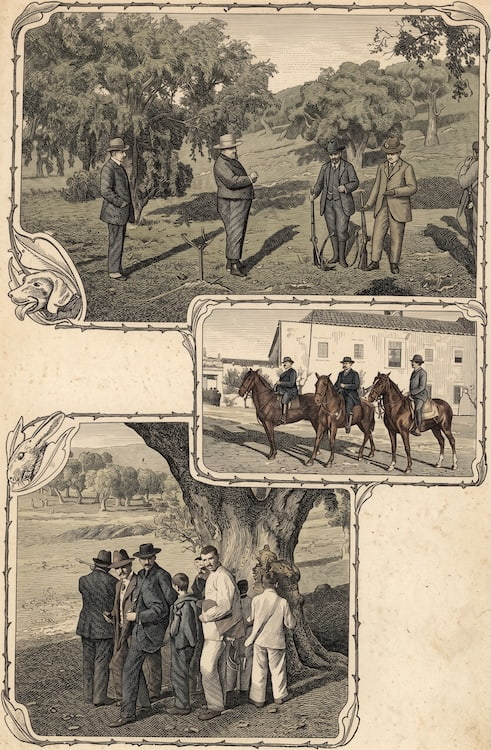
There are photographs from January 1908 showing the Portuguese Royal Family in Vila Viçosa. King Carlos and his sons smile among cork trees, Queen Amélia poses with guests, all appearing happy under the Alentejo winter sun. These are images published in the illustrated magazines of the time — the kind of photographs aristocrats liked to collect as proof of well-spent days.
I wonder if, looking at those images weeks later, anyone saw signs. Details that no one noticed. A shadow, an averted glance, something.
Probably not. Because tragedy rarely announces itself.
Those were the last happy days of the Portuguese monarchy. Death awaited them in Lisbon, at Terreiro do Paço, on a sunny February afternoon.
How a kingdom is lost.
King Carlos I inherited the throne at a delicate time. He ascended to power in October 1889. Three months later, in January 1890, came the British ultimatum.
Portugal was nurturing the project of connecting Angola to Mozambique through the intermediate territories — the so-called “Pink Map”, presented at the Berlin Conference. This project clashed directly with the British ambition to connect Cape to Cairo. The United Kingdom demanded the immediate withdrawal of Serpa Pinto’s military forces from those territories. The Portuguese government yielded. There was no real alternative: the kingdom was economically bankrupt, and avoiding a war with its oldest ally seemed sensible.

But the concession led to what Jorge Couto called an «irreversible erosion in the prestige of monarchical institutions». In the eyes of public opinion, the king — young, newly ascended to the throne — proved to be «completely incapable of defending the country’s interests» (Couto, 2008, p. 11)Couto, J. (2008). 1908: do Regicídio à ascensão do Republicanismo - mostra bibliográfica. Em M. Rêgo (Ed.), Do Regicídio à ascensão do Republicanismo..
Starting a reign with a national humiliation is a bad omen. King Carlos never recovered from that initial mark.
On 31 January 1891, there was an attempted republican revolt in Porto. It was suppressed. But the signal was given: republican ideals were gaining strength among workers and in urban areas.
A succession of crises followed. Portugal declared bankruptcy in 1892. It declared it again in 1902. Industrial disturbances, socialist antagonism, fierce press criticism of the monarchy. King Carlos — a cultured, intelligent man — was seen by many as a king given to extravagances, distant from the real problems of the people. The miserable life of so many Portuguese contrasted with the monarch’s lifestyle, who «participated in numerous social activities where he mingled only with the elites» (Couto, 2008, p. 12)Couto, J. (2008). 1908: do Regicídio à ascensão do Republicanismo - mostra bibliográfica. Em M. Rêgo (Ed.), Do Regicídio à ascensão do Republicanismo..
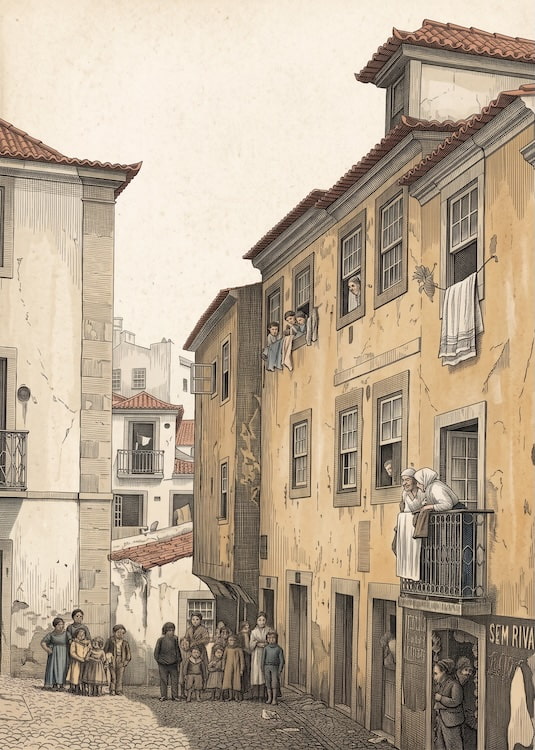
There is a cruel irony here: King Carlos’s father, King Luís I, was nicknamed “the Popular” precisely for having created an empathetic connection with the people. The son could not. Or did not know how. Or did not have time.
The mistake that cost a crown.
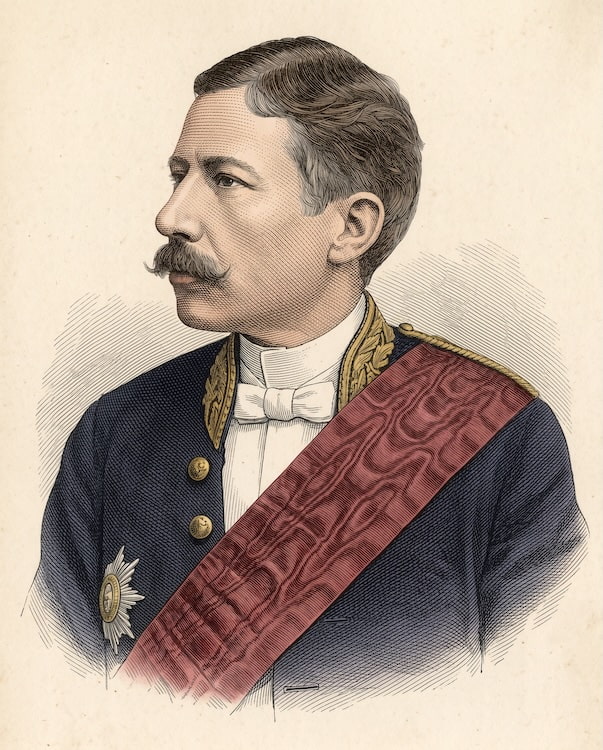
In response to the crises, King Carlos appointed João Franco as prime minister and accepted the dissolution of parliament. Franco promised a policy of “new life” — moralisation, order, progress.
The gravity of the situation was evident. The royal family decided to return to Lisbon the next day.
Consider what this means: a king signing deportation decrees while on holiday in Vila Viçosa, and then returning to the capital where tempers were flaring. It is not exactly imprudence. It is the political calculation of someone who believes they control the situation.
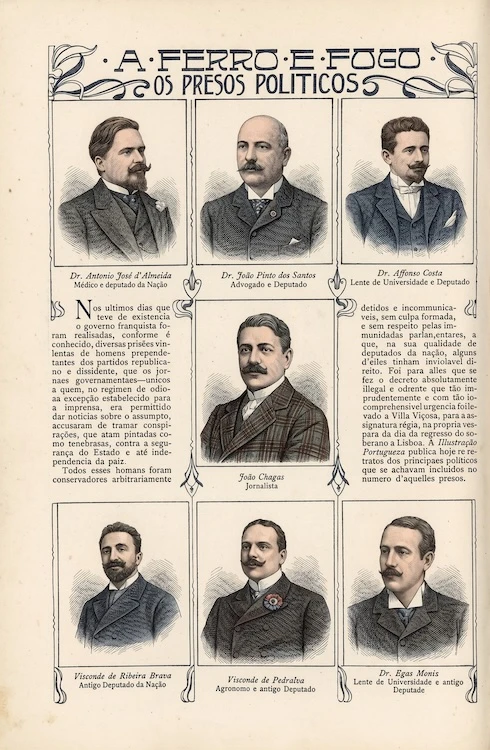
What followed was press censorship, persecution of dissidents, increasing police repression. Franco sought to impose order in a country that no longer believed in order.
On 28 January 1908, several armed republicans gathered near the Elevator of the Library. They were denounced, arrested, accused of conspiracy. Two days later, in Vila Viçosa, the Minister of Justice visited King Carlos and had him sign a decree: the prisoners would be deported.
A peaceful journey to disaster.
On 1 February, the Royal Family crossed the Alentejo by train. A peaceful journey, only marked by a minor derailment near Casa Branca, which delayed their arrival.

They crossed the Tagus on the steamer D. Luís. At the River Station, they were awaited by Infante D. Manuel, relatives, friends, João Franco. They boarded the carriages. The procession began to parade through Terreiro do Paço.
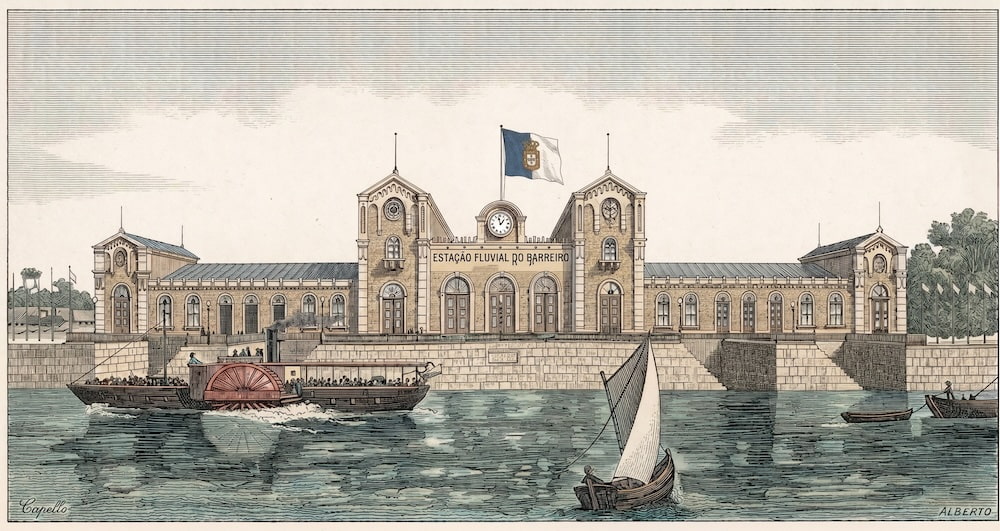
The afternoon was calm. Winter sun, warm, the Tagus so clear it seemed like crystal. The procession advanced parallel to the river, turned left, passed in front of the Ministries.
Just before Rua do Arsenal, the idyllic scene shattered.
Everything is lost in seconds.
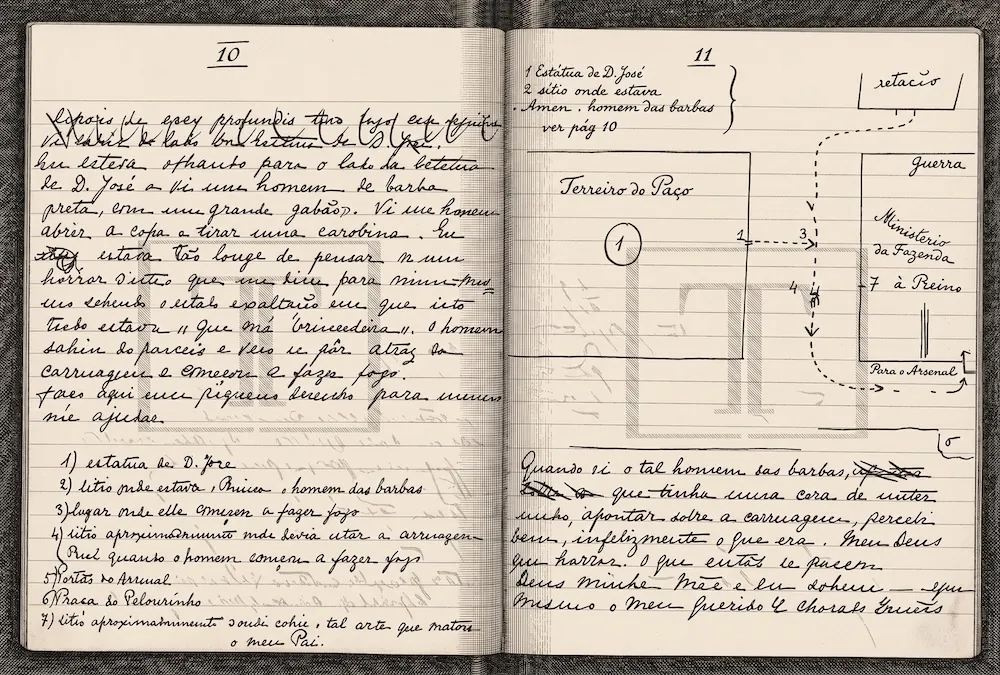
Manuel dos Reis da Silva Buíça emerged from the square with a rifle. He fired at the carriage.
Almost simultaneously, from the opposite side, Alfredo Luís da Costa fired a revolver.
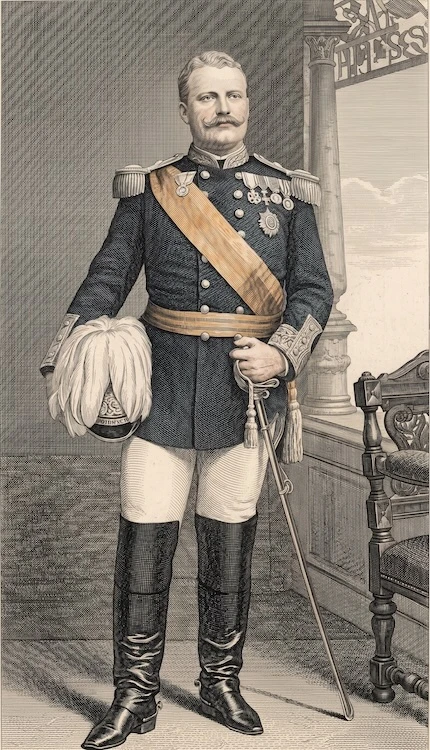
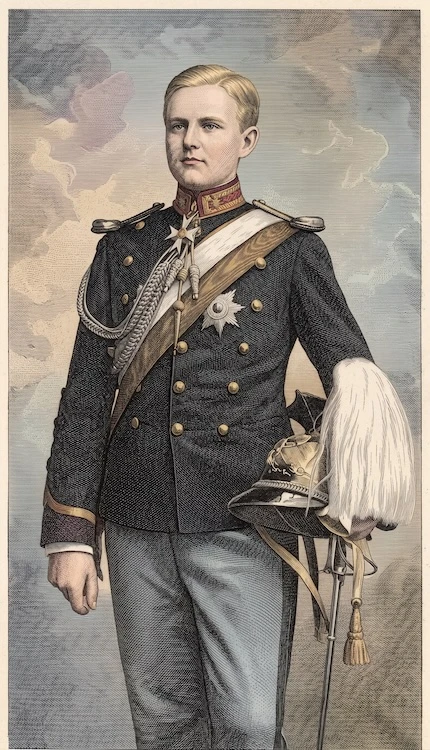
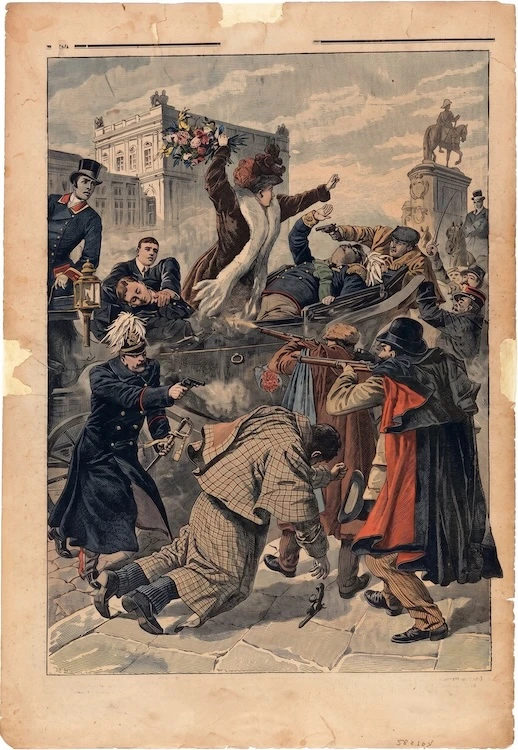
The royal escort was caught by surprise. The coachman reacted, driving the carriage down Rua do Arsenal, seeking refuge in the Navy Arsenal.
Too late. The deaths were declared on the spot.
There is something disconcerting about the speed. Seconds. Shots. A king dead, a prince dying, a queen desperate. And then?
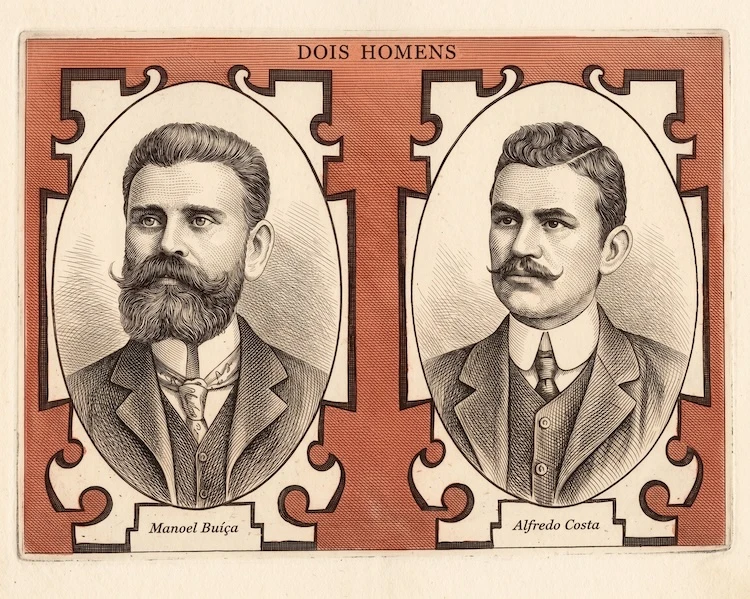
The silence of a country.
The news spread quickly. It reached embassies, world capitals. The world reacted with shock. Expressions of sorrow followed, funerals were organised everywhere.
Portugal was suddenly the centre of all attention. Reporters were dispatched to Lisbon.
And they found something strange.
The director of the Spanish newspaper ABC wrote: «The Portuguese people seem to have received the death of their monarch with total indifference. And it seems that this indifference extends to everyone…»
The correspondent of Le Matin shared the astonishment: «What impressed me here, however, is that the decree ordering a great general mourning of two months seems to be observed only by high society or by people holding official positions.»
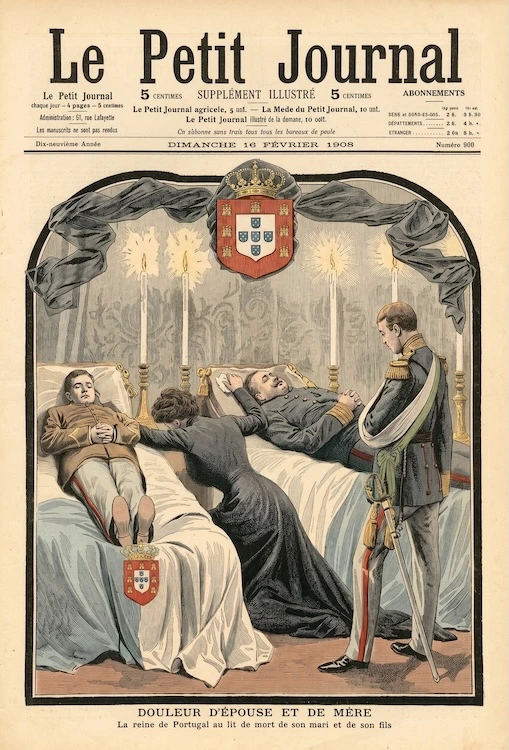
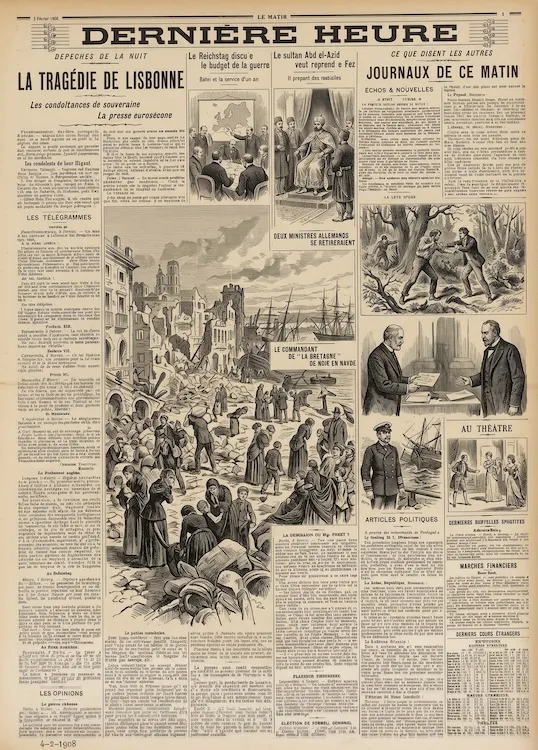
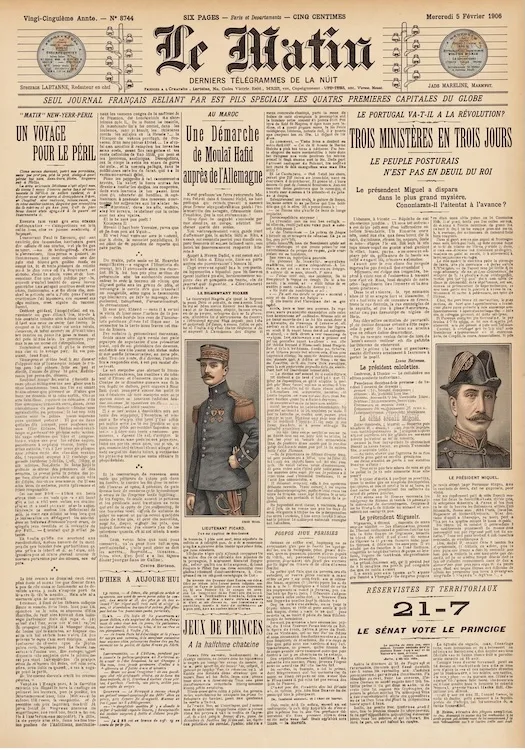
Consider this: a king is assassinated in broad daylight, in the centre of the capital, and the population… does not react. There is no widespread mourning. There is no revolt. There is indifference.
Guerra Junqueiro (Junqueiro, 1908)Junqueiro, G. (1908). Carta de Guerra Junqueiro. Transcrição da carta publicada no jornal «Norte». Jornal de Cambra, 2., in a letter to the newspaper Norte, went even further. Anguished by the prince’s death, he lamented “with dry eyes” the death of the monarch:
They did not kill the king: he committed suicide. The king was a malevolent monster, consciously disturbing four million creatures. If I could kill him in secret, from afar, from my bed, with my mind, I would not. For the truth, I have the courage to accuse. Perhaps I would even reach, I am not sure, the courage to die. But I would never kill.
It is an extraordinary phrase. It condemns the king but rejects violence. It admits he would not kill him but celebrates those who did. It summarises the moral ambiguity of an era.
The “inaccessibility” of the king prevented him from creating an empathetic connection with the people. But the greater mistake was keeping João Franco in power for too long. It cost him his life. Two years later, it would cost his son the throne.
The king is dead, long live the king.
Infante D. Manuel was slightly injured in the attack. He was immediately proclaimed King of Portugal.
In the diary he began writing immediately after the tragedy, King Manuel reveals all his sadness and resentment. He felt betrayed by João Franco, who had written to him assuring that everything was calm: «João Franco then wrote me a letter that I deeply regret having torn up, because in that letter he told me that everything was calm and that there was nothing to fear! What blindness!»
What blindness, indeed.

.png)
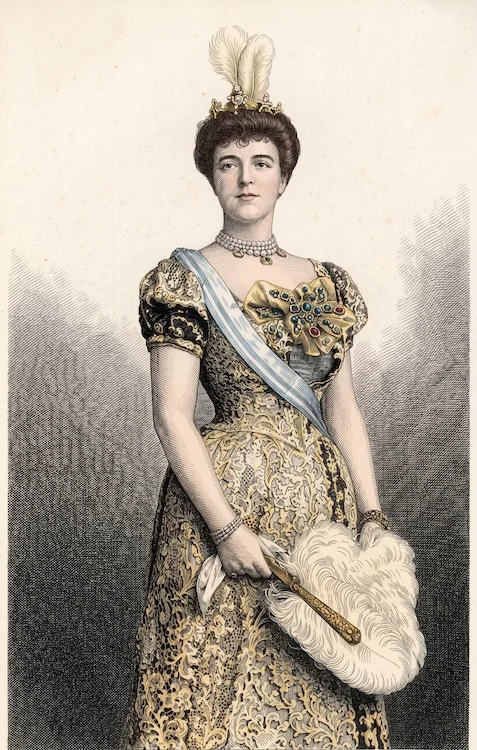
The first act of the new king was to dissolve João Franco’s government. Franco “fled” to Paris, justifying the failure with his “inability to foresee the future”. A reconciliation attempt began: annulment of the deportation decree, pacification, an attempt at normality.
But that afternoon of 1 February had opened a wound too deep.
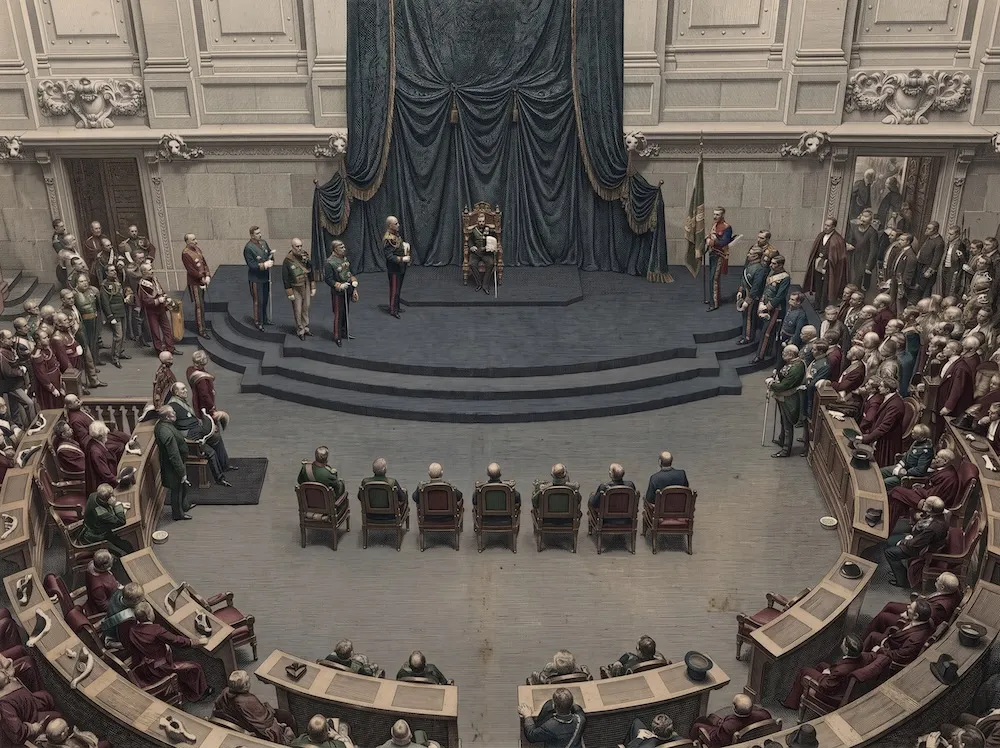
What died that afternoon.
The indifference of a country to the death of its king is not a statistical detail. It is a symptom of something irreversible.
Two years later, on 5 October 1910, the Republic would be proclaimed. King Manuel II, nicknamed “the Patriot” — irony of fate — would go into exile in London, where he would die in 1932.
The monarchical chapter of Portugal closed that sunny afternoon at Terreiro do Paço. Not with pomp, not with glory, not even with popular revolt. With gunshots, silence, and the strange coldness of a country that no longer recognised its kings.
I recall the photographs of Vila Viçosa. Those smiles among cork trees, that January light, that sense of aristocratic security that emanates from the images.
All of that died in an afternoon. In seconds.
And what puzzles me is not so much the violence — history is full of assassinated kings. It is the indifference. An entire country witnessing the end of centuries of monarchy and… feeling nothing.
Perhaps that is the true tragedy of 1 February 1908.
References
Alves, F. das N., & Monico, R. (2016). The Portuguese regicide in the pages of the Rio Grande press. Document Collection.
Couto, J. (2008). 1908: from Regicide to the rise of Republicanism – bibliographic exhibition. In M. Rêgo (Ed.), From Regicide to the rise of Republicanism. National Library of Portugal – Ministry of Culture.
King Manuel II. (1908). Diary of D. Manuel II: Absolutely intimate notes. National Archive of Torre do Tombo.
Junqueiro, G. (1908, 15 February). Letter from Guerra Junqueiro. Jornal de Cambra, p. 2.
Noronha, E. de. (1908). The tragedy of Lisbon. Serões: Illustrated Monthly Magazine, 32, 127–151.
The regicide. (1908). Le Petit Journal. Fundação Mário Soares / Colecção Fundação Mário Soares/António Pedro Vicente.
Tragic week. (1908a). Illustração Portuguesa (2nd Series), 105, 242–256.
Their Majesties in Vila Viçosa. (1908b). Illustração Portuguesa (2nd Series), 102, 156–160.
S. N. (1908c, 5 February). Correspondence. Le Matin.