
KEY POINTS
Concept of the Exceptional Whole
The unique value of cultural heritage stems from the interconnectedness of tangible and intangible elements forming a collective language and memory.Importance of Human Recognition
Heritage only gains meaning and coherence through being named and valued by communities and individuals.Valorizing Difficult Heritage
Preserving heritage must embrace contradictions, wounds, and decay as integral to its exceptional nature.Role of Communication
Sharing the keys to understanding heritage invites collective discovery and strengthens connection across generations.This text was originally published on Marketing & Património.
There is a fleeting and almost imperceptible moment when we stop merely seeing and begin to read. A moment when everything — the stone worn by time, the rusted tool forgotten in a workshop, the repeated pattern in a fabric, the melodious and hesitant voice telling a story — ceases to be a mere fact of the world and reveals itself as a fragment of a greater language.
In that moment, we discover a kind of treasure whose value lies not in itself, but is filled with meanings. This is where the mystery of cultural heritage resides, in what I call its “exceptional whole.” We talk about heritage and, by habit, we summon cathedrals, castles, ruins. We inventory styles, date stones, measure volumes.
This anatomy of the visible is necessary, but it remains on the surface. It fails to capture what truly animates cultural legacy. The “exceptional whole” is a skein made with the threads of time, of stories told and silenced, of rituals, of “knowledges” transmitted in gestures, of collective affections, of unresolved conflicts. It is a kind of map of meanings, almost always immaterial, that only reveal themselves to those willing to listen beyond the noise of facts.
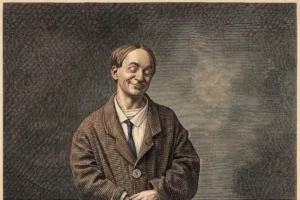
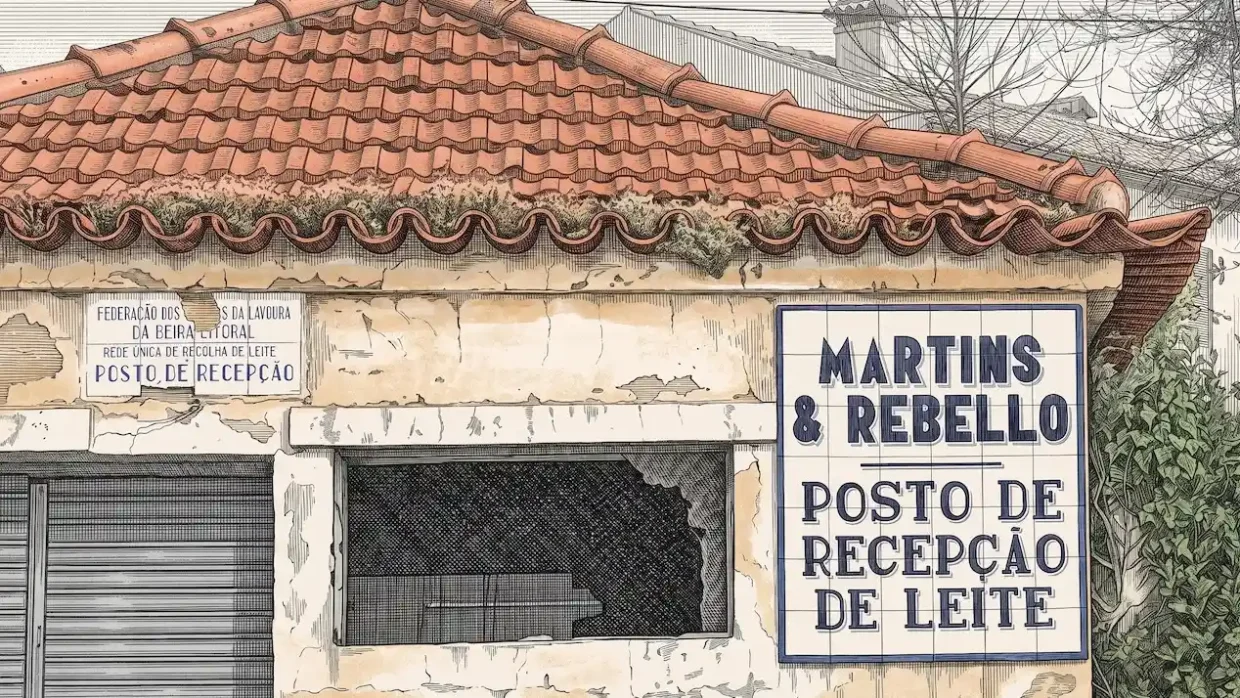
Let us consider the abandoned industrial landscapes that mark so many contemporary territories. Skeletons of factories, chimneys that no longer smoke, heavy machinery surrendered to rust, to looting, and to the slow advance of nature.
At first glance, ruin, decline, perhaps even ugliness. Where would the “exceptional whole” be here? However, a more prolonged, more reader gaze begins to decipher other layers.
Questions and Answers.
What is cultural heritage?
Cultural heritage is the collection of goods, practices, memories, and expressions that help a community understand its history and identity. It includes material elements, such as monuments, buildings, and objects, but also intangible heritage, such as traditions, knowledge, oral histories, music, and artisanal techniques.
What does “exceptional whole” mean in cultural heritage?
The “exceptional whole” refers to the value that arises from the connection between different elements of cultural heritage. An ancient stone, a working tool, a pattern in a fabric, or a local narrative gain a deeper meaning when understood as parts of a single language, memory, and collective experience.
Why is it important to preserve cultural heritage?
Preserving cultural heritage allows us to protect collective memory, transmit knowledge between generations, and reinforce community identity. The conservation of heritage is not limited to maintaining buildings or objects: it also involves valuing the contexts, people, and traditions that give them meaning.
What is the difference between material and immaterial heritage?
Material heritage corresponds to physical goods, such as castles, churches, ruins, works of art, tools, or textiles. In contrast, immaterial heritage includes living practices, such as celebrations, music, traditional techniques, ways of doing, and orally transmitted stories. Both are essential for understanding cultural heritage in its entirety.
How can a community value its local heritage?
A community can value its local heritage through research, inventory, conservation, and dissemination of its stories, spaces, and traditions. Involving residents, schools, associations, and cultural professionals helps transform cultural heritage into a living, shared, and relevant resource for the present and the future.
The scale of the structures evokes the strength of an era, the memory of hard work, of the anonymous lives that pulsed there. The functionalist architecture and the vegetation reclaiming it create an unexpected aesthetic, a disconcerting beauty made of scars.
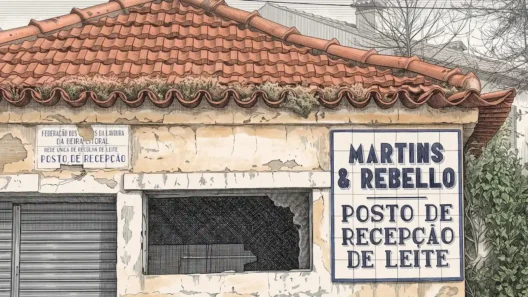
I vividly remember the first time I felt this. It was several years ago, during a visit to an old dairy company that was up for auction. An imposing building, already taken by silence and abandonment, filled with machines, documents, utensils, and furniture that we wanted to save (and we saved some).
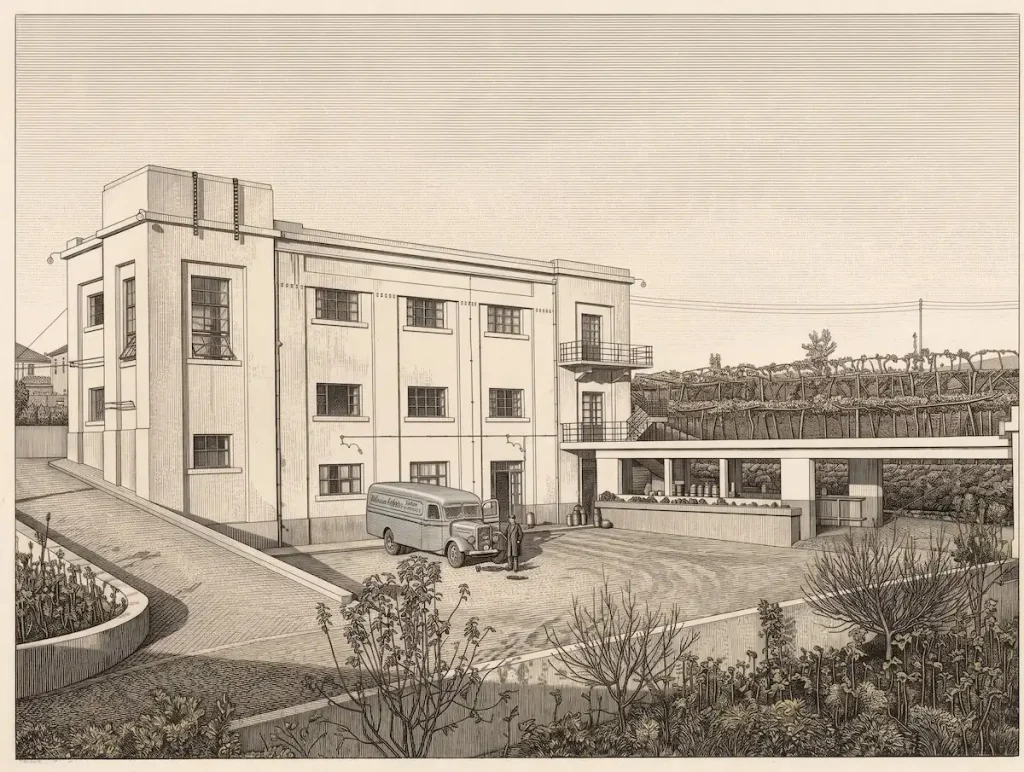
In the most unexpected place, in the damp and cool shadows of the cheese curing chamber, I discovered intertwined names, dates, small declarations of love, etched in charcoal pencil on the wooden shelves reddened by wax. At that precise moment, the company ceased to be merely that dark and monumental building that was withering before my eyes.
It seemed to come alive, to breathe through those human marks. The cold walls and industrial functionality faded away to give way to a reliquary of intimate stories, of anonymous affections that dared to inscribe themselves in the heart of production.
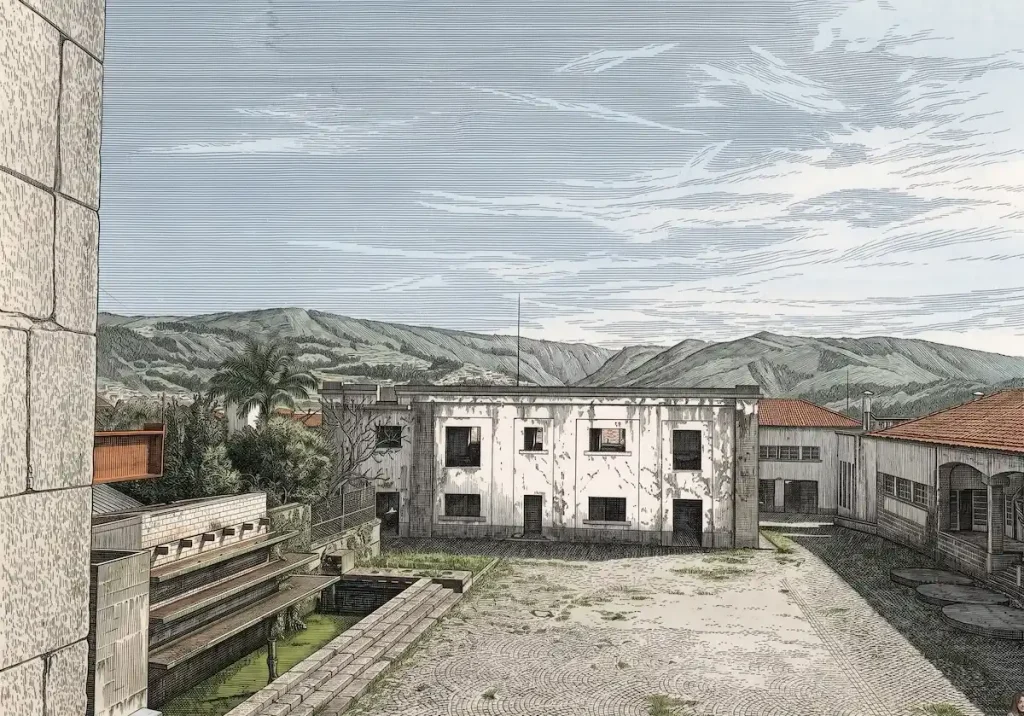
I wondered about the possibilities that those letters opened. Written, perhaps, in secret from the supervisor, because mostly women worked there. The “exceptional whole” was in that room. Not in the architecture or in the technical memory of the factory, but in the moving fusion between the stone and the lives that passed through there. A workspace transformed, without anyone planning it, into an archive of affections.
In these places, the “exceptional whole” does not live in classical beauty nor in a clean story. It lives in contradiction. In the harshness of industrial work and in the pain of abandonment, but also in the nature that reclaims the space and in the human stubbornness that finds meaning in decay.
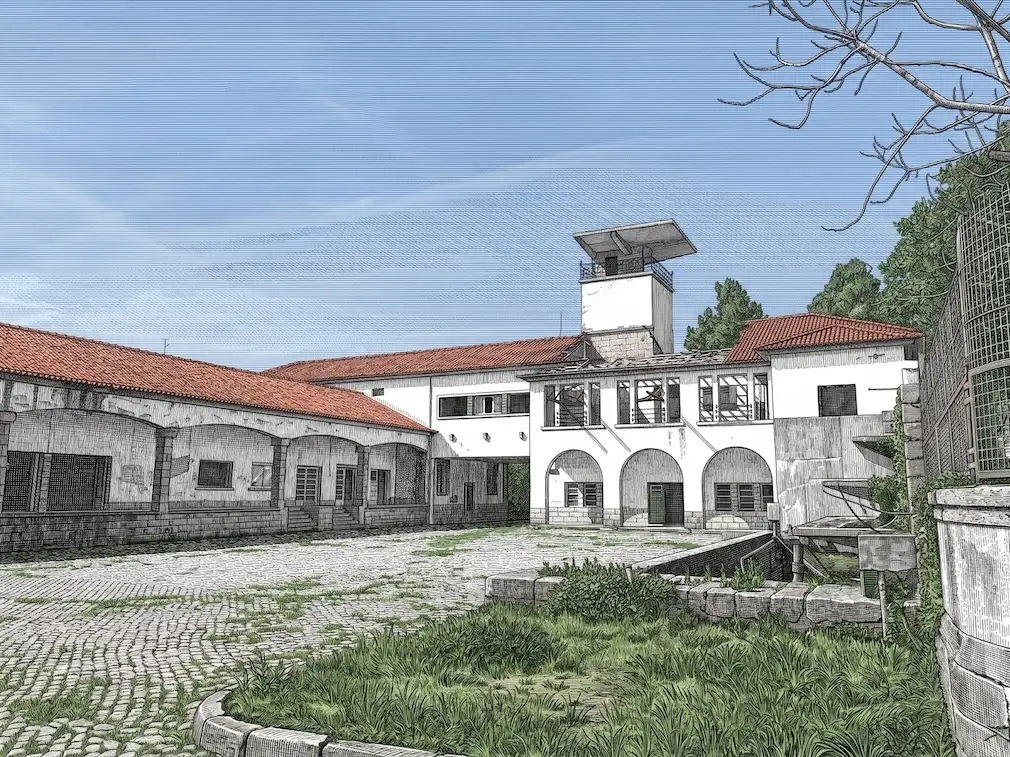
Recognising and working with this “difficult” heritage is a bold act, a refusal of simplification. It is to accept that exceptionality can also reside in tension, in fracture, in the ability of a place to condense the contradictions of its time and to challenge us about them. It is proof that the whole can be exceptional not despite its wounds, but because of them.
But this totality does not exist alone, suspended in emptiness. It is born and reborn in the encounter with a human gaze, informed by culture, by shared history, by the sensitivity of each and all.
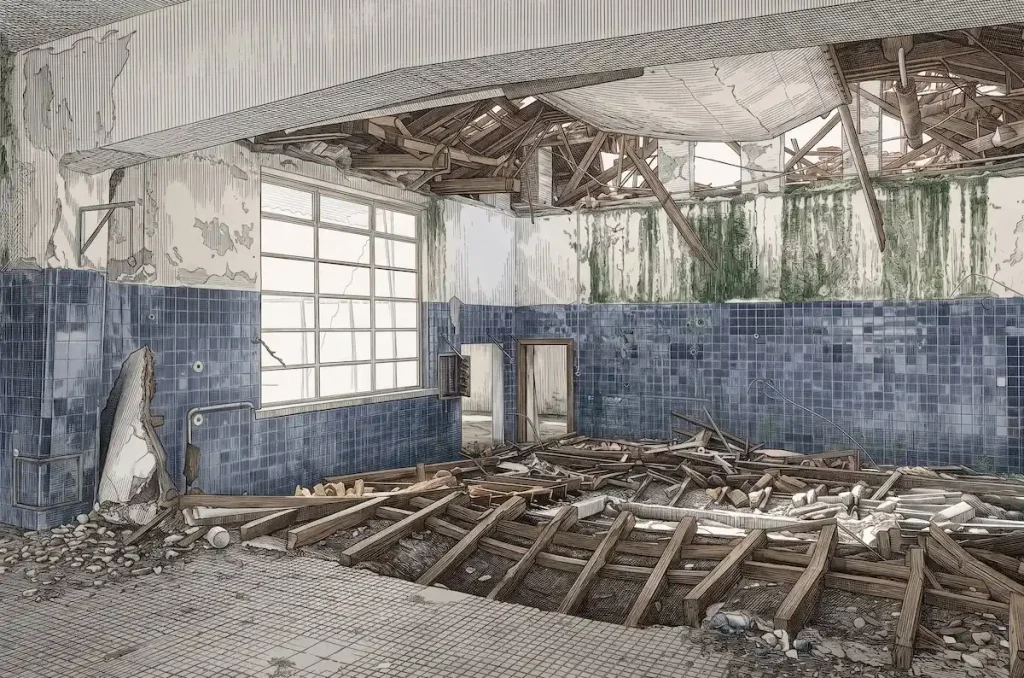
Heritage does not exist as such until it is named, recognised, valued by a community. It is our gaze, that of the specialist, the resident, the visitor, the child, that connects what was dispersed and makes it coherent.
This recognition is a kind of silent pact between generations. By designating something as heritage, we affirm that that “exceptional whole” contains something essential about who we were, who we are, and perhaps, who we wish to be.
We are inscribing it in a collective narrative, entrusting it with the task of carrying memory and identity through time. Exceptionality is therefore not a purely intrinsic quality of the object; it is also a cultural construction, an act of choice, of assigning value.
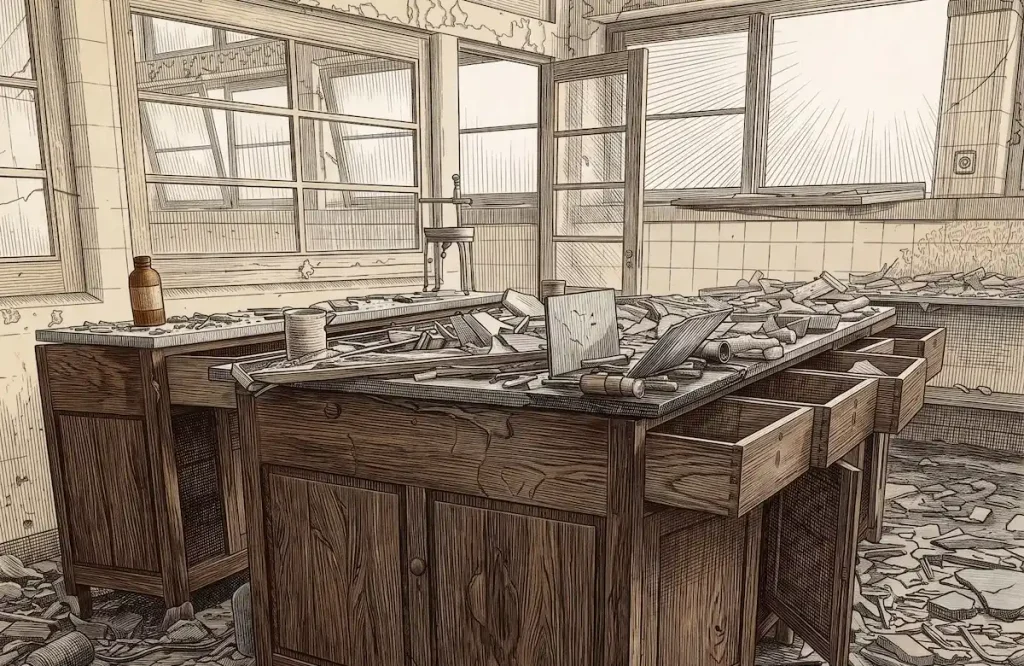
And this is why communication matters so much. Not to impose a single vision, but to share the keys to understanding, to invite others to discover and build meaning with us.
Why all this effort to decipher, preserve, communicate the “exceptional whole”? Because in these sets we find fragments of ourselves, mirrored through time.
The architecture of a place tells us how other generations thought about space and the sacred. A landscape shaped by work tells stories of ingenuity and relationship with the land. An artisanal knowledge reveals ways of creating and being in the world that are not our own, and that enrich us.
The “exceptional whole” is a door. By crossing it, we do not only return to the past. We understand the present better and imagine what may come.
It reminds us that we are not isolated beings, but links in a long chain. Seeking, recognising, and sharing these sets is an act of connection: with ourselves, with others, with time.
It is an invitation to listen to the world with more attention, to find meaning in the human experience, and to embrace what we are: temporary guardians of a fragile inheritance.
It is, perhaps, one of the most authentic ways to poetically inhabit the Earth.